
ADVERTISEMENT
ADVERTISEMENT
ADVERTISEMENT
Is It Ever Okay to Ask Wedding Guests for a Minimum Cash Gift?
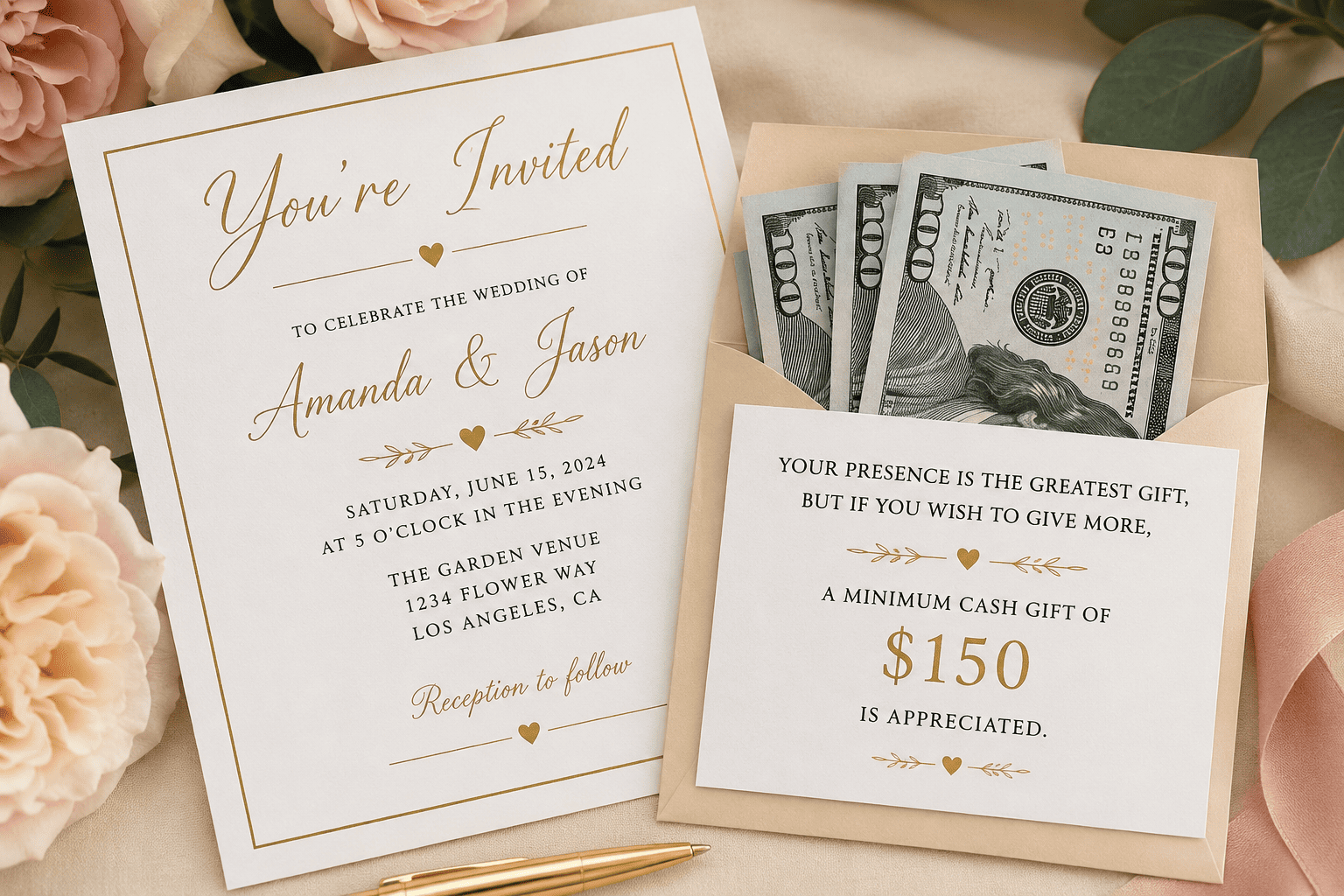
Weddings have long been cherished celebrations that bring together family and friends to honor love and commitment. While these joyful occasions are filled with meaningful moments, they also come with growing expenses and increasing pressure on couples to create unforgettable events. As wedding costs continue to rise, some couples have started adopting a controversial trend: requesting a minimum cash gift amount from guests.
This practice has sparked strong opinions on both sides. Supporters argue that cash gifts help couples manage wedding expenses and begin married life more comfortably, while critics believe putting a price tag on attendance undermines the true spirit of the celebration. Here’s a closer look at the debate surrounding mandatory wedding gift expectations.
Why Some Couples Request Minimum Cash Gifts
Planning a wedding can be extremely expensive. In the United States, the average wedding can cost tens of thousands of dollars, leaving many couples financially stretched before they even begin married life. Because of this, some couples prefer cash gifts over traditional presents, seeing them as more practical and flexible.
Cash contributions can help cover wedding expenses, pay for a honeymoon, reduce debt, or go toward future goals like buying a home. For couples already investing heavily in their big day, requesting monetary gifts may seem like a reasonable solution.
What Traditional Wedding Etiquette Says About Gifts
According to traditional etiquette, wedding gifts are never mandatory. Gifts are meant to be voluntary expressions of love, support, and celebration. Guests are invited to witness and share in the couple’s happiness, not to financially sponsor the event.
Historically, the value or type of gift has always been left to the guest’s discretion. Whether someone gives a small keepsake, a generous cash gift, or simply their presence, the gesture itself is what matters most.
Is It Appropriate To Specify a Dollar Amount?
For many people, stating a required minimum gift amount crosses a line. While couples may have practical reasons for preferring cash gifts, explicitly demanding a certain amount can feel impersonal and transactional.
In some cultures where cash gifts are customary, there may be unspoken expectations regarding appropriate amounts. However, even in these situations, directly listing a minimum contribution on the invitation is often viewed as poor etiquette.
The Truth About the “Cover Your Plate” Rule
One popular belief surrounding weddings is the idea that guests should give enough money to “cover their plate,” meaning the cost of their meal and attendance at the reception. Etiquette experts widely reject this concept.
A wedding invitation is not a ticket purchase or financial agreement. Guests are invited because the couple values their presence, not because they are expected to reimburse the cost of the celebration. Gifts should come from generosity, not obligation.
How Culture and Location Influence Gift Expectations
Wedding traditions vary greatly across cultures and regions. In many Asian cultures, for example, giving money in decorative envelopes is a long-standing custom symbolizing prosperity and good fortune. In other places, physical gifts from a registry remain more common.
Regional customs also shape expectations. Some communities openly discuss cash gifts, while others consider financial conversations inappropriate. Understanding these differences can help avoid misunderstandings and hurt feelings.
The Emotional Impact on Guests
Mandatory gift expectations can create stress and discomfort for guests, especially those facing financial difficulties. Some may feel embarrassed if they cannot afford the requested amount, while others may resent feeling pressured to contribute financially.
Instead of focusing on celebrating love and togetherness, guests may become preoccupied with whether they can meet the couple’s expectations. This can unintentionally damage relationships and overshadow the joy of the occasion.
What Financial Experts Recommend
Money experts generally advise couples not to treat weddings as financial transactions. While it’s understandable to want help managing costs, relying on guests to fund the celebration can create tension and disappointment.
Experts often encourage couples to set realistic budgets, prioritize what matters most, and avoid overspending in anticipation of receiving large gifts. A meaningful wedding does not need to come with overwhelming financial pressure.
Polite Ways To Share Gift Preferences
There are tactful ways for couples to communicate their preferences without sounding demanding. Many couples use wedding websites to mention that cash gifts are appreciated or to share links to honeymoon funds or future savings goals.
The key difference is tone. Gently suggesting preferences allows guests to give comfortably and willingly, while demanding a specific amount can come across as entitled or insensitive.
What Guests Should Do If They Feel Uncomfortable
Guests who feel uneasy about a requested gift amount should remember that they are not obligated to exceed their financial comfort zone. Giving a smaller gift, choosing something thoughtful, or simply attending the wedding with sincere support are all perfectly acceptable options.
For close friends or family members, an honest and respectful conversation may also help clear up expectations and prevent misunderstandings.
Better Alternatives to Mandatory Cash Requests
Instead of imposing minimum gift amounts, couples can explore more welcoming alternatives. Honeymoon funds, home funds, or optional contribution registries allow guests to participate in ways that feel comfortable for them.
Most importantly, couples can focus on creating a celebration centered on love, connection, and shared memories rather than financial contributions.
What This Trend Says About Modern Weddings
The growing debate over mandatory wedding gifts reflects changing attitudes about weddings, money, and social expectations. As celebrations become more elaborate and expensive, some couples may feel pressure to recover costs through guest contributions.
At the same time, many people believe weddings should remain heartfelt occasions built on generosity and togetherness, not financial obligation. Finding a balance between modern realities and timeless etiquette is essential to preserving the true meaning of the celebration.
In the end, weddings are about celebrating love with the people who matter most. No price tag should ever overshadow that purpose.
ADVERTISEMENT