
ADVERTISEMENT
ADVERTISEMENT
ADVERTISEMENT
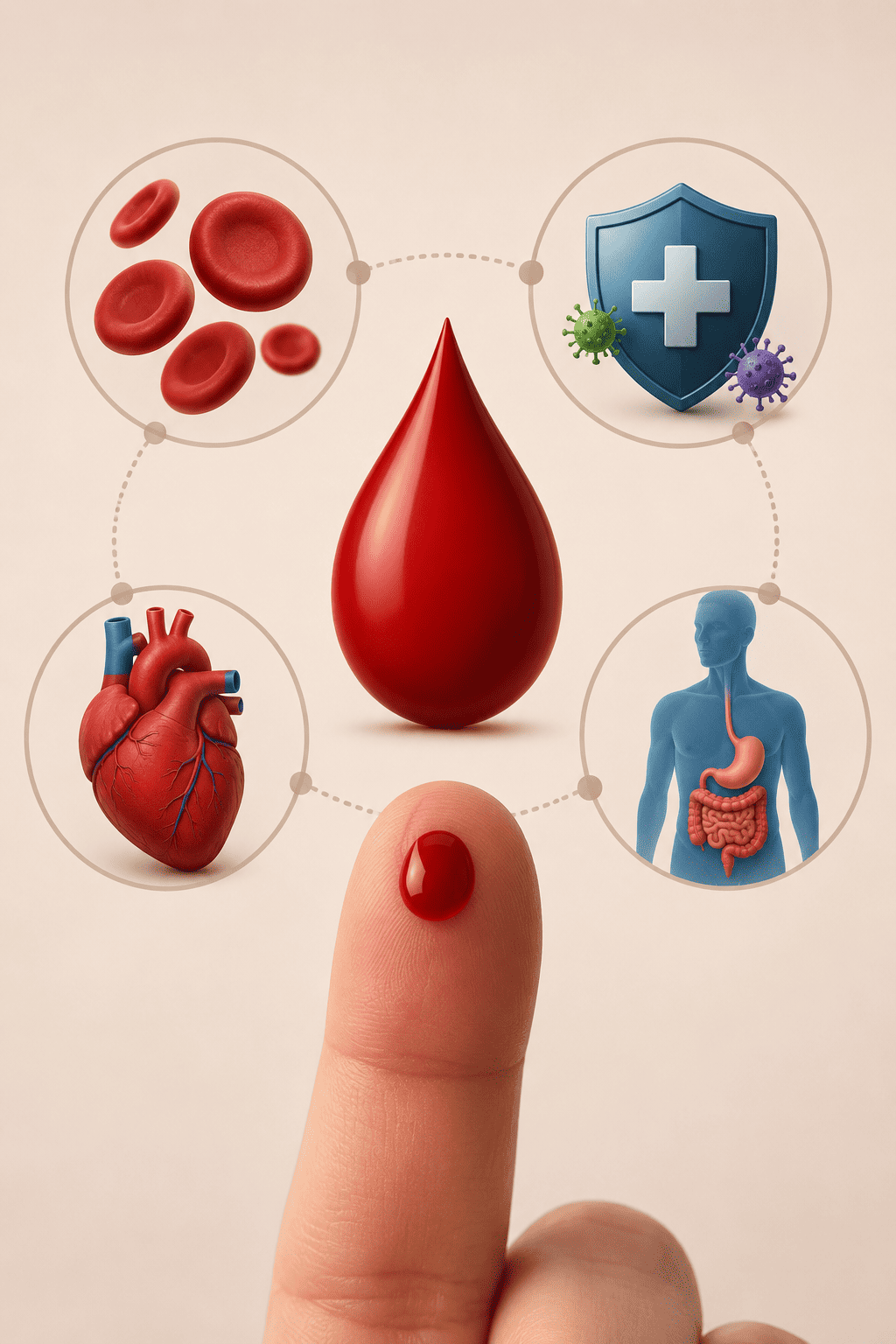
Your blood type is more than just important information for medical records or blood donations — researchers have discovered that it may also offer clues about certain health risks and traits. While blood type alone does not determine your overall health, studies suggest that people with different blood groups may have varying risks for specific conditions.
The four main blood types — A, B, AB, and O — are determined by the presence or absence of certain proteins on red blood cells. These differences can affect how the immune system responds, how blood clots, and even how the body handles certain infections.
Understanding the Main Blood Types
There are four primary blood groups:
- Type A
- Type B
- Type AB
- Type O
Each type can also be either positive or negative depending on the Rh factor. Together, these characteristics play a role in blood compatibility and may influence certain health tendencies.
Blood Type A
People with blood type A may have a slightly higher risk of heart disease and stress-related conditions compared to some other groups. Some studies also suggest that individuals with type A could be more susceptible to certain infections and may have a more sensitive immune response.
However, many people with blood type A live perfectly healthy lives by maintaining a balanced diet, regular exercise, and routine medical checkups.
Possible Health Traits
- Higher stress hormone levels
- Increased risk of cardiovascular disease
- Sensitive immune response
Blood Type B
Type B individuals are often thought to have a strong immune system, but research suggests they may face a higher likelihood of inflammation-related conditions in some cases. They may also be slightly more prone to certain metabolic disorders.
Possible Health Traits
- Flexible immune response
- Potentially higher inflammation levels
- Increased risk for some autoimmune conditions
Blood Type AB
AB is the rarest blood type and combines characteristics of both A and B. Some studies suggest people with AB blood may have a higher risk of memory and cognitive issues later in life. They may also experience differences in blood clotting and circulation.
Possible Health Traits
- Rare blood group
- Higher clotting tendency
- Potential increased cognitive health risks
Blood Type O
Type O is often considered the “universal donor” blood type for red blood cells. Research has suggested that people with type O may have a lower risk of heart disease, but they could be more likely to develop stomach ulcers caused by certain bacteria.
They may also experience different clotting patterns compared to other blood types.
Possible Health Traits
- Lower risk of cardiovascular disease
- Reduced clotting risk
- Increased susceptibility to ulcers
Does Blood Type Really Determine Health?
It’s important to remember that blood type is only one small piece of the health puzzle. Lifestyle choices such as diet, exercise, sleep, stress management, and regular healthcare have a much greater impact on long-term wellness.
Blood type research continues to evolve, and scientists are still learning how these genetic differences influence the body. While your blood type may reveal interesting tendencies, it does not predict your future health.
Final Thoughts
Knowing your blood type can be useful for medical reasons and may provide insight into certain health patterns. However, no blood type is “better” or “worse” than another. The key to good health remains the same for everyone: healthy habits, preventive care, and staying informed about your body.
Whether you’re type A, B, AB, or O, understanding your health risks can help you make smarter lifestyle choices and take better care of yourself every day.
ADVERTISEMENT