
ADVERTISEMENT
ADVERTISEMENT
ADVERTISEMENT
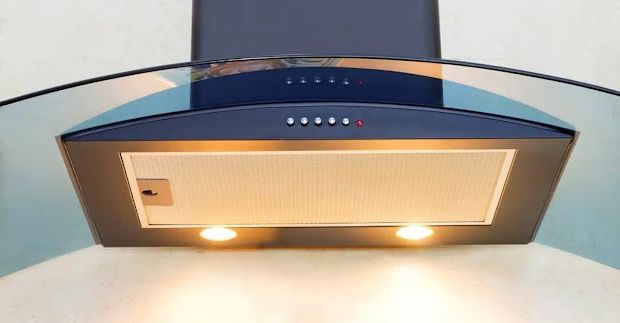
Range hoods play an essential role in maintaining a clean and comfortable kitchen. They help remove smoke, steam, grease particles, and lingering cooking odors from the air while providing extra lighting over your cooktop. Because many range hoods include built-in lights, some homeowners wonder whether it’s safe—or even practical—to leave those lights on throughout the night.
Whether you’re using the light as a nighttime guide, a source of added security, or simply because you forgot to switch it off, the good news is that leaving a range hood light on overnight is usually safe. However, there are a few advantages and drawbacks worth considering before making it a regular habit.
Is It Okay to Leave a Range Hood Light On Overnight?
In most cases, yes. Modern range hood lights, especially those that use LED technology, are designed to operate efficiently and safely for extended periods. LEDs consume very little electricity, produce minimal heat, and generally pose little fire risk when installed correctly.
That said, keeping any light on for several hours every night can increase energy usage, reduce bulb lifespan, and potentially affect sleep if the light spills into living spaces. Understanding these factors can help you decide whether overnight use makes sense for your home.
Benefits of Leaving the Light On
Improved Nighttime Safety
A softly lit kitchen can make moving around the house after dark much safer.
- Provides visibility when getting a late-night drink or snack.
- Helps prevent trips and falls in dark areas.
- Creates a safer path for elderly family members or individuals with mobility concerns.
- Offers reassurance to children who may be uncomfortable with complete darkness.
Even a small amount of illumination can make navigating a home significantly easier during nighttime hours.
Added Home Security
A lighted kitchen can create the impression that someone is awake or active inside the home.
- Visible indoor lighting may discourage opportunistic intruders.
- The glow through windows can illuminate nearby outdoor areas.
- It offers a simple and inexpensive way to make a home appear occupied.
While it shouldn’t replace dedicated security lighting, it can provide an additional layer of deterrence.
Everyday Convenience
Leaving the light on can simply make life easier.
- No need to search for switches in the dark.
- Helpful for guests unfamiliar with your home’s layout.
- Convenient when carrying items or tending to children.
- Useful for people who work late shifts or maintain unusual schedules.
A small, consistent light source can make nighttime kitchen visits more comfortable and efficient.
Potential Drawbacks
Increased Energy Usage
Although modern LEDs are extremely efficient, they still consume electricity.
- LED bulbs typically use only 5–10 watts.
- Halogen bulbs generally consume 20–50 watts.
- Older incandescent bulbs may use 40–60 watts or more.
Over time, even small amounts of energy use can add up, especially if the light remains on every night throughout the year.
Reduced Bulb Lifespan
The longer a bulb operates, the sooner it will need replacement.
- LEDs often last between 25,000 and 50,000 hours.
- Halogen bulbs usually last 2,000–4,000 hours.
- Incandescent bulbs may last only 1,000–2,000 hours.
Frequent overnight use means bulbs will reach the end of their service life sooner.
Sleep Disruption
Light pollution inside the home can affect sleep quality.
- Open-concept layouts may allow light to reach bedrooms.
- Light-sensitive individuals may find even small amounts of illumination distracting.
- Exposure to artificial light at night can interfere with the body’s natural sleep cycle.
If the kitchen light is visible from sleeping areas, it may be worth reconsidering overnight use.
Heat Production
The amount of heat generated depends on the bulb type.
- LEDs stay relatively cool.
- Halogen bulbs produce moderate heat.
- Incandescent bulbs can become quite hot after extended use.
Although heat is rarely a concern with modern LED fixtures, older lighting systems should be monitored carefully.
Fire Safety Considerations
The biggest safety concern isn’t usually the light itself—it’s accumulated grease.
Range hoods naturally collect grease from cooking vapors. If grease builds up around light fixtures, filters, or internal components, it can become a potential fire hazard over time.
To maintain safety:
- Clean grease filters regularly.
- Wipe down light covers and surrounding surfaces.
- Replace damaged bulbs promptly.
- Address any signs of electrical wear or loose wiring.
A clean range hood is a safer range hood.
Smart Alternatives
If you like the benefits of overnight lighting but want to reduce energy consumption, consider these options:
Upgrade to LED Bulbs
LED bulbs use significantly less energy than older technologies and can last for many years.
Choose warm-white LEDs (2700K–3000K) for a softer nighttime glow that feels comfortable and less harsh.
Install Timers
A timer can automatically turn the light off after a set period, providing nighttime visibility without leaving it on until morning.
Use Motion Sensors
Motion-activated lighting provides illumination only when someone enters the kitchen, maximizing convenience while minimizing energy use.
Consider Smart Controls
Smart bulbs and smart plugs allow you to schedule lighting, adjust brightness, and control the fixture remotely through a smartphone or voice assistant.
Maintenance Tips
To keep your range hood operating safely and efficiently:
- Clean light covers monthly.
- Wash or replace grease filters regularly.
- Check bulb fittings twice a year.
- Inspect visible wiring annually.
- Replace damaged components immediately.
Always disconnect power before performing maintenance or changing bulbs.
Final Thoughts
Leaving your range hood light on overnight is generally safe, especially if you’re using modern LED bulbs. The benefits include improved nighttime visibility, added convenience, and a small boost in home security. However, there are trade-offs, including increased energy consumption, reduced bulb lifespan, and the possibility of sleep disruption.
For most households, the best solution is to use efficient LED lighting, keep the range hood clean, and consider smart features such as timers or motion sensors. This approach provides the safety and convenience of overnight lighting while minimizing costs and maintenance concerns.
ADVERTISEMENT