
ADVERTISEMENT
ADVERTISEMENT
ADVERTISEMENT
Mayonnaise might seem harmless. It’s a common staple—quietly sitting in the fridge, ready for sandwiches, salads, and quick meals. Because it feels so familiar, it’s easy to overlook how it’s handled. But small habits—like leaving it out too long, using unclean utensils, or not sealing the lid properly—can quietly increase the risk of spoilage.
Why Mayonnaise Isn’t as Risky as You Think
Most store-bought mayonnaise is actually quite safe. It’s made with pasteurized eggs and contains acidic ingredients that help slow bacterial growth. This built-in protection means it can tolerate brief exposure outside the fridge.
However, “safe” doesn’t mean indestructible. Every time the jar is opened, there’s a chance for contamination. A knife used on bread, contact with other foods, or exposure to warm air can introduce bacteria. Over time, these small factors can affect the quality and safety of the mayonnaise.
The Importance of Temperature
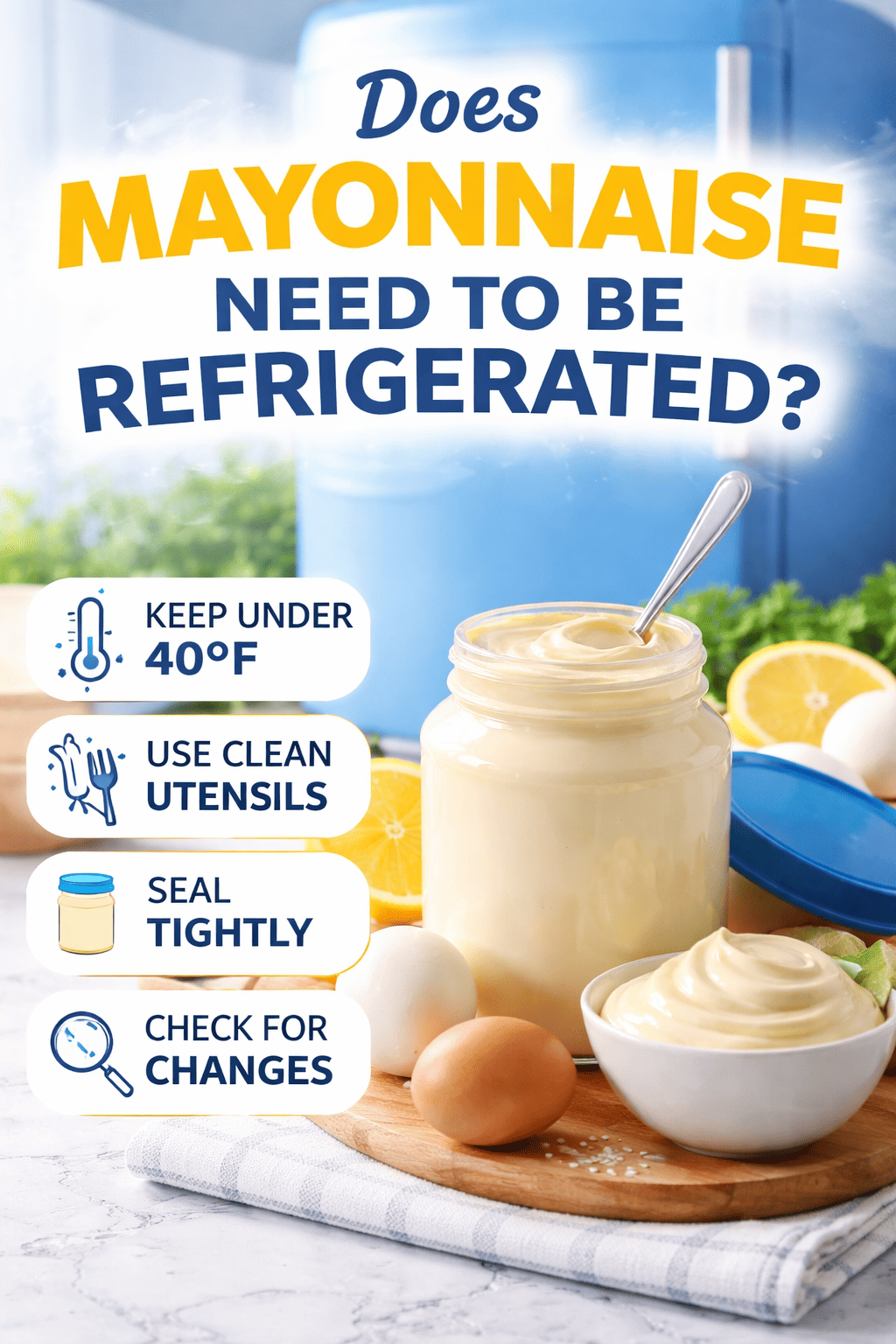
Temperature is one of the most important factors in keeping mayonnaise safe. It should be stored below 40°F (4°C) to slow down bacterial growth and maintain freshness.
Problems usually happen when mayonnaise is:
- Left out during meals for too long
- Forgotten on the counter
- Stored in warmer spots, like the refrigerator door
Short exposure is usually fine, but repeated or extended time at room temperature can increase the risk of spoilage—especially in warmer climates.
Homemade Mayonnaise Needs Extra Care
Homemade mayonnaise is more delicate than store-bought versions. Since it often contains raw or lightly cooked eggs and lacks preservatives, it spoils more quickly.
To stay safe:
- Refrigerate it immediately after making
- Store it in a tightly sealed container
- Use it within a few days
Treating homemade mayonnaise like a long-lasting product can lead to food safety issues.
Simple Habits That Make a Big Difference
Keeping mayonnaise safe doesn’t require extra effort—just consistency:
- Always use clean utensils
- Close the lid tightly after each use
- Store it in the coldest part of the fridge
- Check for changes in smell, texture, or color
If something seems off, it’s best not to take chances.
Conclusion
Mayonnaise is generally safe and stable when handled properly, but small mistakes can add up over time. Paying attention to storage, cleanliness, and temperature helps prevent unnecessary risks. With just a little care, this everyday condiment can remain both safe and enjoyable.
ADVERTISEMENT