
ADVERTISEMENT
ADVERTISEMENT
ADVERTISEMENT
Can This Drink Really Kill Cancer Cells and Treat Gastritis, Diabetes, and Liver Disease?
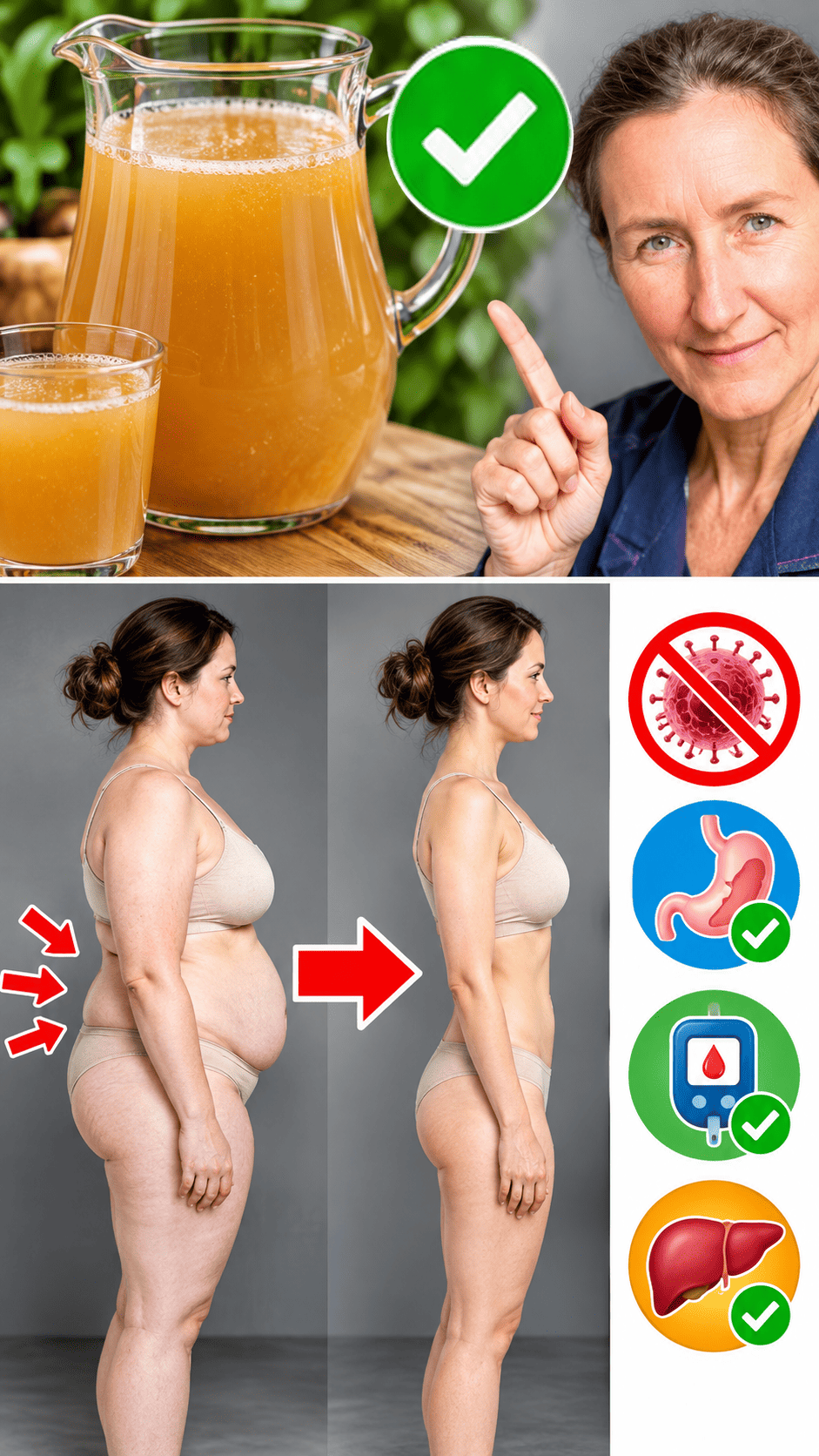
A viral image circulating online claims that a particular drink can kill cancer cells and help treat gastritis, diabetes, and liver disease. The dramatic claim has understandably attracted attention, but it’s important to separate promising nutrition research from medically proven treatments.
The Viral Claim
The image suggests that drinking this beverage for a short period can produce major health benefits, including fighting cancer and treating several chronic conditions.
However, a social-media image or statement attributed to an oncologist is not enough evidence to establish that a drink can treat or cure a disease.
Can a Drink Kill Cancer Cells?
There is an important distinction between laboratory research and actual cancer treatment.
Scientists study thousands of foods, plants, and naturally occurring compounds in laboratories. Some substances can affect cancer cells in test tubes or laboratory animals. However, this does not mean that drinking the food or beverage will kill cancer cells inside a person.
Cancer is also not one disease. Different cancers have different biological characteristics and require different treatments.
Evidence-based cancer treatment may include surgery, radiation therapy, chemotherapy, targeted therapy, immunotherapy, hormone therapy, or combinations of these treatments, depending on the type and stage of cancer.
A beverage should therefore never be used as a replacement for prescribed cancer treatment.
What About Gastritis?
Gastritis means inflammation of the stomach lining and can have several causes, including Helicobacter pylori infection, certain medications such as NSAIDs, alcohol, and other conditions.
There isn’t sufficient evidence that a particular homemade drink can treat all forms of gastritis.
People experiencing persistent stomach pain, nausea, vomiting, bleeding, or unexplained weight loss should speak with a healthcare professional rather than relying on a viral remedy.
Can It Treat Diabetes?
Diabetes involves problems with blood-glucose regulation. Although diet and overall eating patterns are extremely important for managing diabetes, no ordinary drink should be considered a cure for diabetes.
Some beverages can also contain significant amounts of natural or added sugar and may actually raise blood glucose.
Anyone with diabetes should consider the carbohydrate and sugar content of a drink and follow the treatment plan recommended by their healthcare professional.
What About Liver Disease?
The liver can be affected by many different conditions, including fatty liver disease, viral hepatitis, alcohol-related liver disease, autoimmune diseases, and medication-related injury.
Because the causes and treatments vary considerably, there is no universal drink that can treat liver disease.
Some dietary habits may support overall liver health, but they should not be confused with a medical treatment.
Why Viral Health Claims Can Be Misleading
Health posts often use phrases such as “detox,” “melts fat,” “kills cancer cells,” or “cures diabetes” because these statements attract attention.
Be particularly cautious when a claim:
- Promises to cure multiple unrelated diseases
- Claims dramatic results within only a few days
- Doesn’t identify a specific clinical study
- Uses an unnamed doctor or medical professional as its authority
- Tells people to stop prescribed medication
- Provides no information about dosage, risks, or side effects
A genuine medical recommendation should be supported by reliable evidence, not simply by an image shared online.
The Bottom Line
The drink shown in a viral post may contain ingredients that are perfectly reasonable as part of a balanced diet, but that doesn’t establish that it can kill cancer cells or treat gastritis, diabetes, or liver disease.
Nutrition can play an important role in overall health, but serious medical conditions require appropriate diagnosis and evidence-based treatment.
Before trying a viral remedy—especially if you have cancer, diabetes, liver disease, or another chronic condition—talk with a qualified healthcare professional.
A healthy drink can be part of a healthy lifestyle, but it should not be presented as a cure without strong clinical evidence.
ADVERTISEMENT