
ADVERTISEMENT
ADVERTISEMENT
ADVERTISEMENT
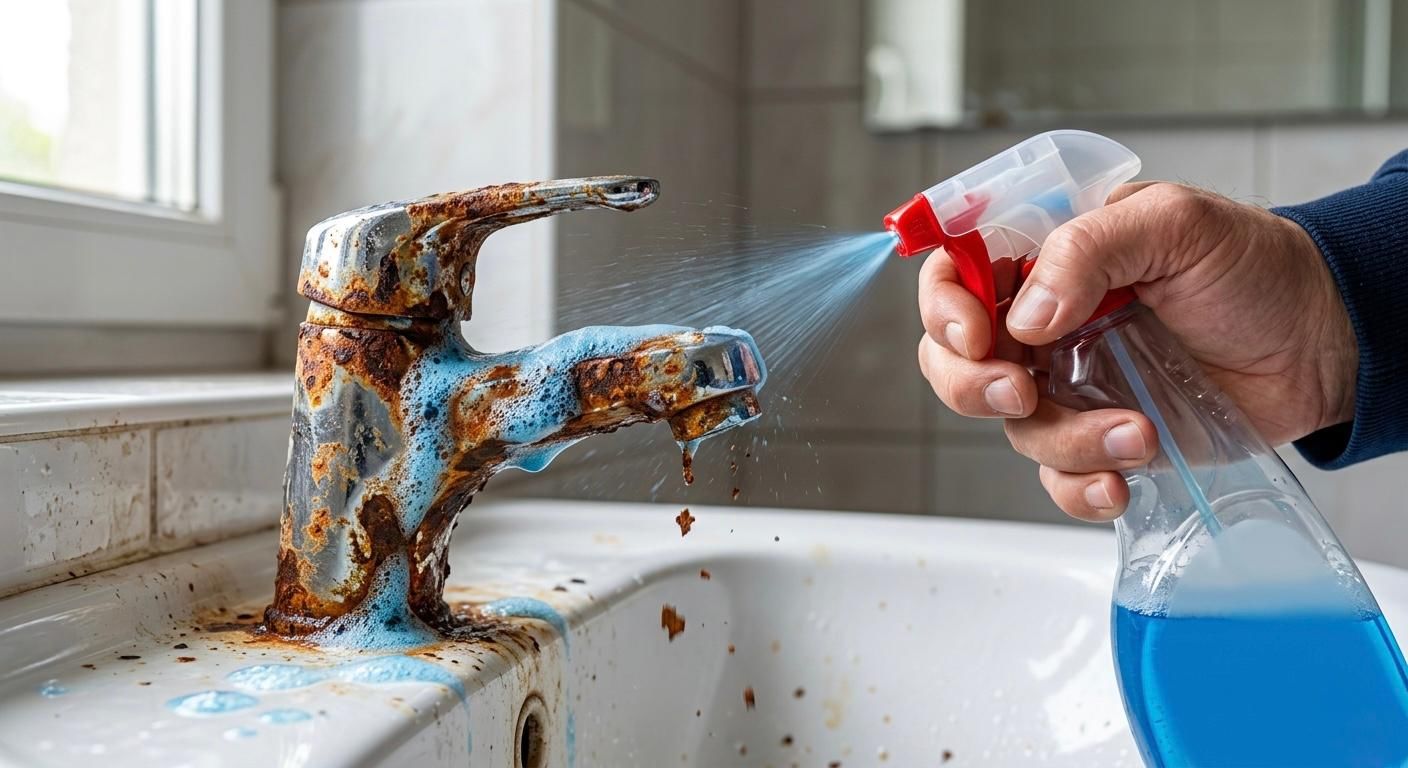
Aluminum faucets are widely used in kitchens and bathrooms because they are lightweight, affordable, and resistant to corrosion. However, over time they can develop stubborn stains and crusty buildup caused by minerals in hard water, rust particles, and soap residue. These deposits often appear as white chalky spots, brown rust stains, or thick layers around the faucet base and spout.
If left untreated, these deposits can damage the appearance of your faucet, reduce water pressure, and even shorten the lifespan of the fixture. The good news is that removing mineral and rust buildup from an aluminum faucet is not difficult. With the right cleaning methods and safe household ingredients, you can restore your faucet to a clean and shiny condition.
In this detailed guide, you will learn what causes these deposits, the safest cleaning techniques, and practical tips to prevent the problem from returning.
What Causes Deposits on Aluminum Faucets?
Before starting the cleaning process, it is helpful to understand why these stains form in the first place.
1. Hard Water Minerals
In many homes, water contains dissolved minerals such as calcium and magnesium. When water evaporates, these minerals remain on the surface, forming a white or chalky buildup known as limescale. Over time, limescale hardens and becomes difficult to remove.
2. Rust Particles
Although aluminum itself does not rust like iron, rust stains can still appear on aluminum faucets. This usually happens when:
- Rust particles come from old pipes
- Iron in the water oxidizes
- Metal components inside the faucet corrode
These stains usually appear as reddish-brown spots or streaks.
3. Soap and Cleaning Product Residue
Soap, shampoo, and detergent can mix with mineral deposits and create sticky layers around the faucet. This combination makes the buildup thicker and harder to clean.
4. Poor Maintenance
When faucets are not wiped dry after use, water droplets remain on the surface and slowly leave mineral marks. Over weeks or months, these marks accumulate and become visible stains.
Materials You Will Need
You do not need expensive chemicals to clean an aluminum faucet. Most of the required items are already available in your kitchen.
Basic cleaning materials:
- White vinegar
- Baking soda
- Warm water
- Spray bottle
- Soft microfiber cloth
- Non-abrasive sponge
- Old toothbrush or soft brush
- Lemon juice (optional)
- Rubber gloves (optional)
Using gentle cleaning tools is important because aluminum can scratch easily.
Step-by-Step Method to Remove Deposits from an Aluminum Faucet
Follow these steps carefully to remove mineral buildup and rust stains without damaging the faucet.
Step 1: Rinse the Faucet with Warm Water
Start by rinsing the faucet with warm water. This helps remove loose dirt, soap residue, and dust.
If the deposits are thick, gently wipe the surface with a soft cloth to loosen the outer layer.
This step prepares the surface for deeper cleaning.
Step 2: Apply a Vinegar Cleaning Solution
White vinegar is one of the most effective natural cleaners for mineral deposits. Its mild acidity helps dissolve calcium and magnesium buildup.
How to apply it:
- Fill a spray bottle with white vinegar.
- Spray the vinegar generously on the faucet.
- Make sure to cover the base, handle, and spout.
- Let the vinegar sit for 10–20 minutes.
For heavy buildup, soak a cloth in vinegar and wrap it around the affected area. This keeps the vinegar in contact with the deposits for a longer time.
Step 3: Scrub the Surface Gently
After the vinegar has softened the deposits, use a soft sponge or toothbrush to scrub the faucet.
Focus on areas where buildup is most visible, including:
- The faucet base
- Around the handles
- The spout opening
- The edges where water collects
Use small circular motions while scrubbing. Avoid using steel wool or hard brushes because they can scratch aluminum.
Step 4: Remove Tough Deposits with Baking Soda Paste
Some stains may remain after the vinegar treatment. In this case, baking soda can help remove stubborn spots.
To prepare a baking soda paste:
- Mix two tablespoons of baking soda with a small amount of water.
- Stir until it forms a thick paste.
Apply the paste to the stained areas and gently scrub using a soft cloth or toothbrush. Baking soda acts as a mild abrasive that can remove stains without damaging the metal surface.
Allow the paste to sit for 5–10 minutes before rinsing.
Step 5: Rinse Thoroughly
Once the deposits have been removed, rinse the faucet thoroughly with warm water. This step removes any remaining vinegar or baking soda.
Leftover cleaning residue can cause dull spots if not washed away properly.
Step 6: Dry and Polish the Faucet
Use a clean microfiber cloth to dry the faucet completely. Drying the surface prevents new mineral spots from forming.
You can also lightly polish the faucet with the cloth to restore its shine.
Optional Natural Cleaning Method: Lemon Treatment
Lemon juice is another natural solution that works well for mineral stains.
To use lemon:
- Cut a fresh lemon in half.
- Rub the lemon directly onto the faucet.
- Let the juice sit for 10 minutes.
- Rinse with warm water and dry.
The natural citric acid helps dissolve limescale and leaves a fresh scent.
Cleaning the Faucet Aerator
Sometimes deposits accumulate inside the faucet aerator (the small screen at the tip of the spout). This can reduce water flow.
To clean the aerator:
- Unscrew the aerator from the faucet.
- Soak it in vinegar for 30 minutes.
- Use a toothbrush to remove remaining debris.
- Rinse and reinstall it.
Cleaning the aerator can significantly improve water pressure.
Important Safety Tips When Cleaning Aluminum Faucets
To avoid damaging the faucet, follow these precautions:
Do not use the following:
- Steel wool
- Metal brushes
- Strong acidic cleaners
- Bleach
- Harsh chemical descalers
These products can scratch or discolor aluminum surfaces.
Always use soft tools and mild cleaning solutions.
How to Prevent Mineral Deposits from Returning
Cleaning your faucet regularly can prevent heavy buildup. Here are some simple maintenance tips.
1. Wipe the Faucet Dry
After using the sink, quickly wipe the faucet with a cloth. This removes water droplets that leave mineral marks.
2. Clean the Faucet Weekly
A quick wipe with diluted vinegar once a week can prevent deposits from forming.
3. Install a Water Softener
If your home has very hard water, installing a water softener can reduce calcium and magnesium levels. This prevents limescale from forming on faucets and other appliances.
4. Use a Water Filter
Filters can remove rust particles and impurities that cause stains.
5. Avoid Harsh Cleaners
Strong chemicals may damage the protective surface of aluminum fixtures.
Benefits of Regular Faucet Maintenance
Keeping your faucet clean offers several advantages:
- Improves the appearance of your kitchen or bathroom
- Maintains proper water flow
- Prevents long-term damage
- Extends the lifespan of the faucet
- Reduces the need for expensive repairs or replacements
Regular cleaning also keeps your sink area more hygienic.
Final Thoughts
Mineral deposits and rust stains on aluminum faucets are common problems in many households, especially in areas with hard water. Fortunately, removing these deposits does not require expensive tools or professional services.
By using simple household ingredients such as vinegar, baking soda, and lemon juice, you can safely remove buildup and restore the shine of your faucet. Gentle scrubbing, regular maintenance, and proper drying will help keep your faucet clean and free from stains.
With consistent care, your aluminum faucet can remain functional, attractive, and free from stubborn deposits for many years.
ADVERTISEMENT