
ADVERTISEMENT
ADVERTISEMENT
ADVERTISEMENT
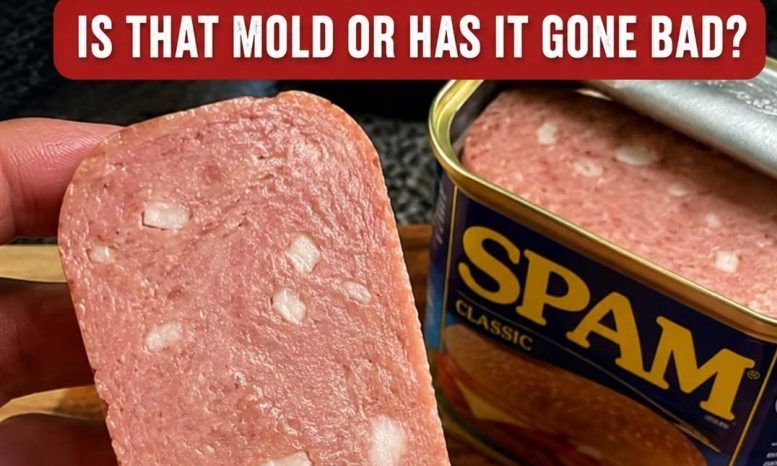
Opening a can of Spam is usually the start of a quick and satisfying meal. But if you’ve ever noticed tiny white bits scattered throughout the meat, you may have paused and wondered if something was wrong.
At first glance, those pale spots can look unusual, leading many people to worry that the meat has spoiled. Fortunately, in most cases, there’s no reason to panic. Those white specks are a completely normal part of the product and are not a sign of mold or contamination.
Here’s what those white bits really are, why they appear, and how to recognize the difference between harmless fat and signs that canned meat has actually gone bad.
What Is Spam Made Of?
Before understanding the white specks, it helps to know what goes into Spam.
Despite its reputation as a processed food, Spam contains a relatively short list of ingredients. The classic recipe includes:
- Pork and ham
- Water
- Salt
- Sugar
- Modified potato starch
- Sodium nitrite for preservation
One important ingredient often overlooked is natural pork fat. The fat found in the pork helps give Spam its signature flavor, moist texture, and smooth consistency. Without it, the meat would be much drier and less enjoyable.
During production, the ingredients are blended together, packed into cans, sealed, and cooked under high heat. This process sterilizes the contents and creates the airtight seal that allows Spam to remain shelf-stable for years.
Why Do White Bits Appear?
The small white spots found throughout Spam are simply pieces of solidified pork fat. In some cases, tiny amounts of connective tissue may also be visible.
Fat naturally changes appearance depending on temperature.
- When cold, pork fat becomes firm and white.
- At room temperature, it softens slightly.
- When heated, it melts into the meat, adding moisture and flavor.
Because the fat is mixed evenly throughout the meat before the can is sealed and cooked, these white specks are spread uniformly throughout the loaf.
This even distribution is one of the easiest ways to tell that you’re looking at normal fat rather than spoilage.
White Fat vs. Mold: How to Tell the Difference
It’s understandable to mistake white fat for mold if you’ve never seen it before. Fortunately, there are several easy ways to tell them apart.
Normal Fat
Healthy pork fat will typically:
- Be smooth and firm
- Blend naturally into the meat
- Appear white or cream-colored
- Be evenly distributed throughout the loaf
- Have the normal salty, meaty smell associated with Spam
Signs of Mold or Spoilage
Spoiled canned meat may show:
- Fuzzy or powdery growth
- Green, blue, gray, or black discoloration
- Slimy patches
- Sour or unpleasant odors
- Growth only on isolated areas or the surface
Because Spam is cooked and sealed inside the can, mold inside an unopened, undamaged can is extremely uncommon.
When Should You Throw Spam Away?
Although white fat is perfectly normal, there are situations where you should discard the product immediately.
Do not eat Spam if you notice:
- A swollen or bulging can
- Leaking liquid before opening
- Deep rust or severe damage around the seams
- A sour or rancid smell after opening
- Gray, green, black, or unusual discoloration
- A slimy texture that doesn’t resemble normal meat
These warning signs may indicate that the airtight seal has failed, allowing bacteria to enter.
When in doubt, it’s always safer to throw the product away.
What Happens When You Cook It?
One of the easiest ways to see that those white bits are simply fat is by cooking Spam.
As the slices heat in a skillet, the white specks gradually melt into the meat. The rendered fat keeps the inside moist while helping the outside develop its famous crispy, golden-brown crust.
Rather than being something to worry about, those tiny pieces of fat actually improve the texture and flavor of the finished dish.
Whether you’re frying Spam for breakfast, adding it to fried rice, or making sandwiches, the melting fat contributes to the rich taste that has made Spam a pantry staple for generations.
Quick Safety Checklist
Before eating Spam, take a few seconds to check the following:
✔ The can is not swollen or leaking.
✔ There are no deep dents along the seams.
✔ The meat smells fresh and savory.
✔ The white bits are smooth and evenly mixed throughout the meat.
✔ There is no mold, slime, or unusual discoloration.
If everything looks and smells normal, those white specks are simply natural pork fat and are completely safe to eat.
Final Thoughts
Finding white bits inside a can of Spam can be surprising the first time you see them, but they’re usually nothing more than solidified pork fat. They play an important role in keeping the meat juicy, flavorful, and tender, and they’ll melt away as the Spam cooks.
The real warning signs of spoilage are damaged packaging, unpleasant odors, mold, slime, or unusual colors—not the evenly distributed white specks found throughout the meat.
The next time you open a can and notice those pale spots, you can cook with confidence. They’re simply part of what gives Spam its familiar texture and rich flavor.
ADVERTISEMENT