ADVERTISEMENT
ADVERTISEMENT
ADVERTISEMENT
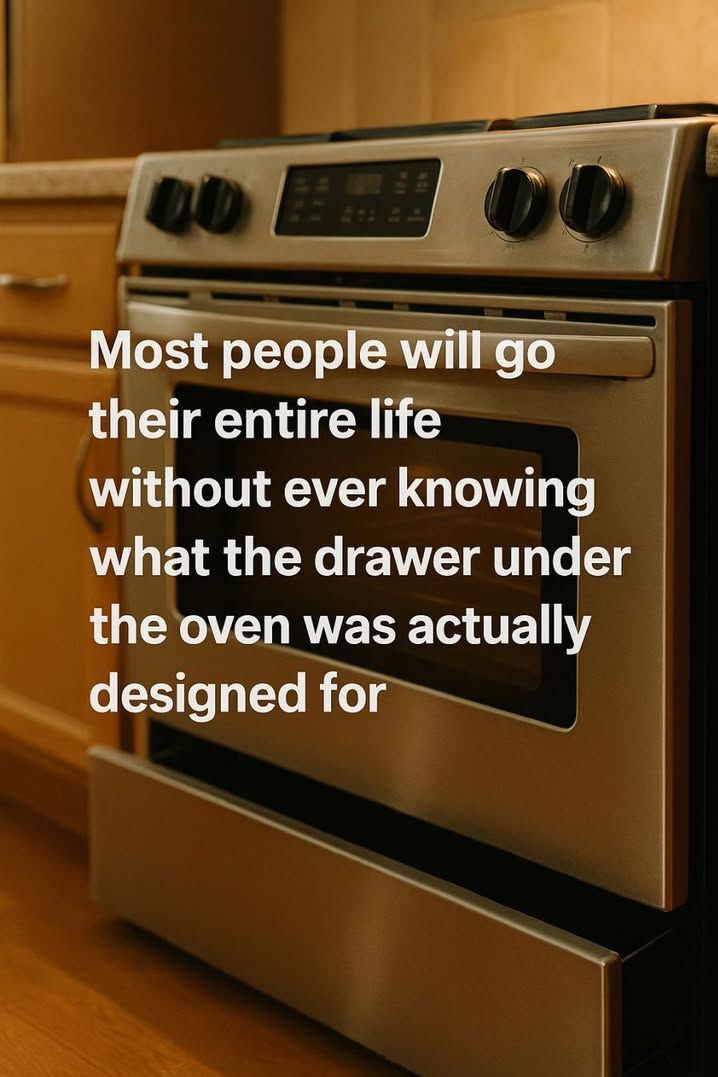
The Hidden Purpose of the Drawer Beneath Your Oven Most People Never Realize
In many homes, the kitchen is the center of daily life — a place where meals are prepared, conversations happen, and families gather together. Yet despite how often we use our kitchens, some features remain surprisingly misunderstood.
One of the biggest mysteries hiding in plain sight is the drawer located beneath the oven.
Most people use this space to store baking sheets, pans, or cookware without ever questioning why it exists. But for many ovens, that bottom drawer was never designed for storage at all.
Its real purpose may completely change the way you use your kitchen.
Why Most People Misunderstand the Oven Drawer
For decades, the drawer beneath the oven has quietly become a catch-all storage spot in countless homes.
Because it’s spacious, convenient, and easy to access, many people naturally assume it was intended to hold pots, pans, muffin tins, and baking trays.
Over time, this habit became so common that the drawer’s original purpose was largely forgotten.
But depending on your oven model, that drawer may actually be a built-in warming drawer designed to keep food hot and ready to serve.
What the Drawer Was Originally Designed For
In many modern ovens, the bottom drawer functions as a warming compartment.
Its purpose is to maintain cooked food at a safe serving temperature without continuing to cook it.
This feature is especially useful during:
- Holiday meals
- Dinner parties
- Large family gatherings
- Multi-course dinners
Instead of reheating food repeatedly or leaving dishes cooling on the counter, the warming drawer keeps everything warm until you’re ready to eat.
Most warming drawers operate between 140°F and 200°F, producing gentle heat that prevents food from drying out or overcooking.
Why the Drawer Became Storage Instead
Even though manufacturers designed the drawer for warming, homeowners gradually turned it into storage space simply because it was convenient.
The drawer is usually wide and shallow, making it perfect for:
- Baking sheets
- Pizza pans
- Roasting trays
- Cooling racks
- Large skillets
Since many people never read their oven manual, they often never realize the drawer has heating capabilities.
As a result, millions of households unknowingly misuse one of the most useful features in the kitchen.
How to Tell If Your Oven Drawer Is a Warming Drawer
Not every oven includes a warming drawer.
Some are truly designed only for storage, so it’s important to know the difference.
Signs You Have a Warming Drawer:
- Temperature controls or settings
- Buttons labeled “Warm”
- Heat indicators
- Instructions printed near the drawer
- Warm air coming from the compartment
Signs It’s Just Storage:
- No heat controls
- No heating element
- Manual specifically labels it as storage
The easiest way to confirm is by checking your oven’s user manual or looking up your model online.
Why Storing Pans in a Warming Drawer Can Be Dangerous
Using a warming drawer as storage can create safety risks.
If the drawer accidentally turns on, the heat can cause:
- Burn hazards
- Damaged cookware
- Melted plastic handles
- Fire risks from flammable materials
Items stored inside may also block airflow, causing overheating and reducing the drawer’s efficiency.
For safety, warming drawers should only hold heat-safe dishes or food intended for warming.
How Warming Drawers Keep Food Hot Without Ruining It
The secret behind warming drawers is controlled low heat.
Unlike ovens that cook food at high temperatures, warming drawers maintain gentle warmth that preserves texture and moisture.
This helps:
- Prevent food from drying out
- Keep bread soft
- Maintain crispy textures longer
- Keep meals ready without overcooking
The steady temperature creates an ideal environment for holding food until serving time.
How Professional Chefs Use Warming Drawers
In restaurants and professional kitchens, warming drawers are used constantly.
Chefs rely on them to:
- Keep dishes warm before serving
- Coordinate multiple courses
- Hold baked goods fresh
- Warm plates before meals
Some chefs even use warming drawers to proof bread dough because the warm, draft-free environment helps yeast activate more effectively.
Creative Ways to Use a Warming Drawer at Home
A warming drawer can do far more than simply hold cooked food.
Many home cooks use them for:
- Proofing bread dough
- Softening butter
- Warming dinner plates
- Keeping pancakes warm
- Melting chocolate gently
- Drying herbs
- Warming tortillas or rolls
Once people discover the drawer’s intended purpose, it often becomes one of the most-used features in the kitchen.
Viral Kitchen Hacks: What’s Safe and What Isn’t
Social media has introduced countless kitchen hacks involving oven drawers, but not all of them are safe.
Some online trends suggest:
- Slow cooking meals
- Storing food long-term
- Heating non-food items
These ideas can sometimes create food safety or fire hazards.
It’s always best to follow manufacturer recommendations and avoid using the drawer in ways it wasn’t designed for.
Signs You May Be Misusing the Drawer
You may be using the drawer incorrectly if:
- Stored items become hot unexpectedly
- Plastic items feel warm
- You smell unusual odors
- The drawer gets hotter than expected
- Airflow seems blocked
If any of these happen, remove stored items immediately and check your oven manual.
What If Your Drawer Is Only for Storage?
If your oven drawer turns out to be regular storage, it can still be extremely useful.
You can organize it with:
- Baking sheet dividers
- Pan organizers
- Kitchen towel storage
- Cooling racks
- Specialty cookware
A well-organized drawer can free up valuable cabinet space and make cooking more efficient.
Why This Kitchen Feature Is So Often Overlooked
The confusion surrounding oven drawers highlights how easily everyday design features can be misunderstood.
Many people never receive guidance about appliance features beyond basic operation. Over time, habits replace intended design, and useful functions go unnoticed for years.
By learning what your appliances were actually designed to do, you can improve both kitchen safety and convenience.
Final Thoughts
The drawer beneath your oven may be far more useful than you ever realized.
While many people treat it as simple storage space, it was often designed to keep food warm, improve meal timing, and make cooking more efficient.
Checking your oven manual could reveal a hidden feature that completely changes the way you use your kitchen — and helps you get far more out of an appliance you already own every day.
ADVERTISEMENT