
ADVERTISEMENT
ADVERTISEMENT
ADVERTISEMENT
Gardening doesn’t have to rely on expensive fertilizers or harsh chemical treatments to produce beautiful results. In fact, many of the most effective gardening solutions can be found right in your kitchen or medicine cabinet. These simple, natural remedies can help boost plant growth, improve soil health, prevent diseases, and even keep pests away.
Whether you’re growing flowers, vegetables, or houseplants, these clever garden hacks can help you create a healthier, more productive garden while saving money and reducing waste. Here are 11 surprising tricks that experienced gardeners swear by.
1. Use Baking Soda to Encourage More Flowers
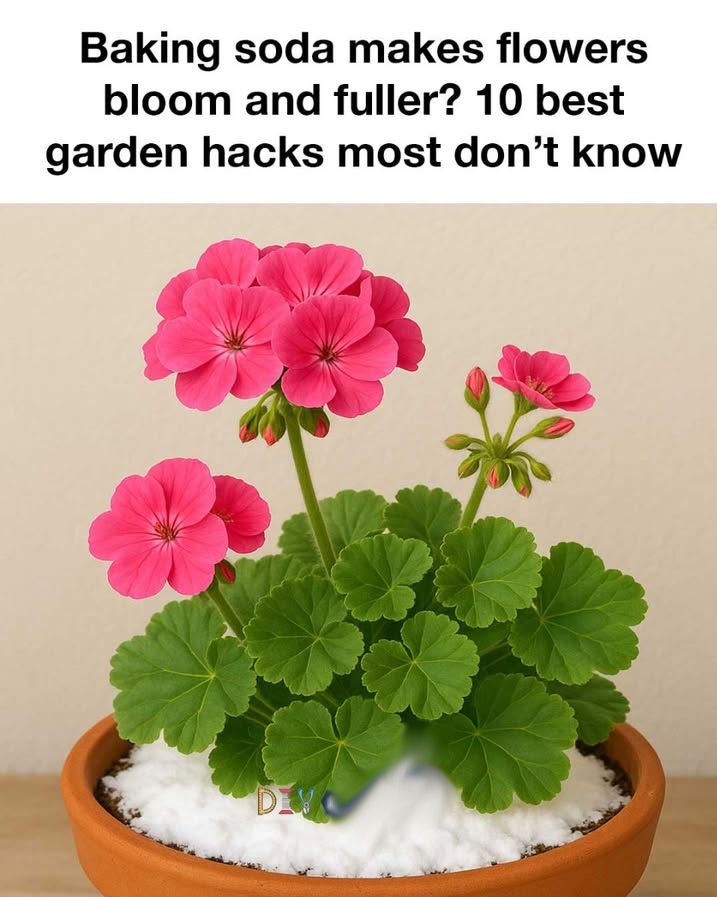
Baking soda is more than a baking ingredient—it can also help certain flowering plants thrive. Because it can slightly reduce soil acidity, plants such as hydrangeas, begonias, and geraniums may benefit from occasional applications.
Mix one tablespoon of baking soda into a gallon of water and apply it around the base of flowering plants once a month. Many gardeners report stronger growth and fuller blooms when using this simple solution.
As a bonus, baking soda can also help combat fungal issues. A diluted spray made with baking soda, water, and a few drops of mild soap can reduce problems like powdery mildew and black spot.
2. Give Plants a Magnesium Boost with Epsom Salt
Epsom salt contains magnesium, an essential nutrient that helps plants produce chlorophyll and maintain vibrant green foliage. Plants lacking magnesium often develop yellowing leaves and reduced growth.
Dissolve two tablespoons of Epsom salt in a gallon of water and spray it on leaves every few weeks. Tomatoes, peppers, and roses especially benefit from supplemental magnesium, often producing healthier growth and improved yields.
3. Improve Soil Naturally with Coffee Grounds
Instead of throwing away used coffee grounds, put them to work in your garden. They contain nitrogen and organic matter that can improve soil structure and encourage healthy plant development.
Mix coffee grounds into compost piles or spread a thin layer around plants. They can also help discourage slugs and snails, making them a useful addition to vegetable and flower beds.
4. Feed Plants with Crushed Eggshells
Eggshells are packed with calcium, an important nutrient that supports strong cell development and healthy roots. They are especially beneficial for vegetables such as tomatoes and peppers.
After cleaning and drying the shells, crush them into small pieces and work them into the soil. Over time, they slowly release calcium while improving soil aeration.
The sharp fragments may also help discourage slugs and other crawling pests from reaching your plants.
5. Control Weeds Naturally with Vinegar
Vinegar offers a simple, chemical-free way to tackle unwanted weeds. The acetic acid in vinegar damages weed foliage and can quickly dry out young plants.
Fill a spray bottle with household vinegar and apply it directly to weeds on a sunny day. For tougher weeds, combining vinegar with a small amount of salt and dish soap can create a stronger weed-control solution.
Be careful to avoid nearby garden plants, as vinegar can damage desirable vegetation as well.
6. Fertilize Roses with Banana Peels
Banana peels are rich in potassium, one of the most important nutrients for flowering plants. Potassium helps strengthen stems, improve disease resistance, and support larger, more colorful blooms.
Simply chop banana peels into small pieces and bury them near the base of rose bushes or flowering plants. You can also soak peels in water to create a nutrient-rich liquid fertilizer.
7. Make a Homemade Insect Spray with Dish Soap
A simple mixture of water and mild dish soap can help control common garden pests such as aphids, whiteflies, and spider mites.
Mix one tablespoon of dish soap into a quart of water and spray affected plants thoroughly. The solution works by disrupting the insects’ protective coating, causing them to dehydrate.
Always test the spray on a small section of the plant before widespread use to ensure it doesn’t cause leaf damage.
8. Prevent Fungal Problems with Cinnamon
Cinnamon is a natural antifungal treatment that can help protect seedlings and established plants from common fungal diseases.
Sprinkle a light layer on the soil surface around plants or directly on affected areas. Many gardeners use cinnamon to prevent damping-off disease in young seedlings, a common issue that causes seedlings to collapse and die.
Its strong scent may also help deter ants from garden beds and containers.
9. Strengthen Plant Defenses with Aspirin
Aspirin contains compounds that can stimulate a plant’s natural defense mechanisms. When applied correctly, it may improve resistance to disease and environmental stress.
Dissolve one regular aspirin tablet in a gallon of water and spray plants every few weeks during the growing season. Some gardeners have reported improved growth and increased productivity in vegetable crops.
Moderation is important, as excessive use can stress plants rather than help them.
10. Fight Powdery Mildew with Milk
Milk has long been used as a natural remedy for fungal diseases, particularly powdery mildew. The proteins found in milk can create an environment that inhibits fungal growth when exposed to sunlight.
Mix one part milk with two parts water and spray the solution onto affected plants every one to two weeks. This treatment is especially effective on cucumbers, squash, zucchini, and other mildew-prone crops.
11. Boost Root Health with Hydrogen Peroxide
Hydrogen peroxide can increase oxygen availability in the soil, helping roots grow stronger and reducing the risk of root rot.
Combine one part 3% hydrogen peroxide with two parts water and use the solution to water plants occasionally. This treatment can be especially beneficial for container plants and seedlings.
Hydrogen peroxide is also useful for disinfecting seeds before planting, helping improve germination rates and reducing the likelihood of fungal infections.
Final Thoughts
Some of the best gardening solutions don’t come from a garden center—they’re already sitting in your home. From coffee grounds and eggshells to aspirin and hydrogen peroxide, these simple hacks can improve plant health, reduce pests, and encourage stronger growth naturally.
By incorporating a few of these easy techniques into your gardening routine, you can create a thriving, eco-friendly garden while spending less on commercial products. Sometimes the simplest tricks deliver the most impressive results.
ADVERTISEMENT