
ADVERTISEMENT
ADVERTISEMENT
ADVERTISEMENT
You have probably come across social media posts or headlines saying things like, “If you have this plant in your home, you’ll attract good luck,” or “This plant cleans all the air in your house.” These statements are everywhere online, often giving ordinary houseplants almost magical qualities.
While these claims can be fun and inspiring, they are usually exaggerated. Many popular plant myths are based on small pieces of truth mixed with wishful thinking, tradition, or oversimplified science. Understanding what plants really do can help us appreciate them even more.
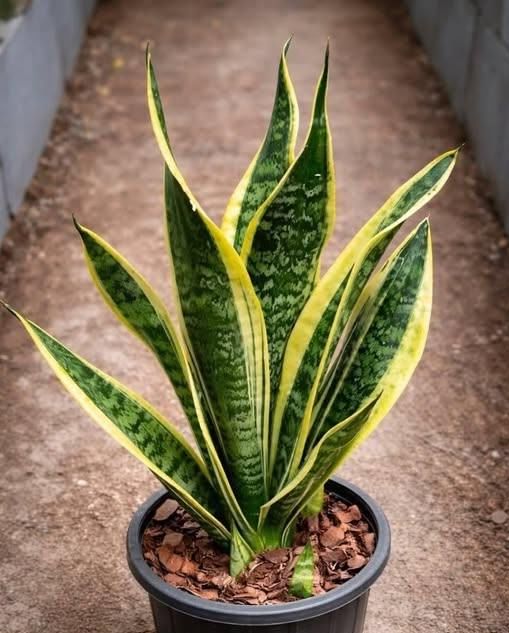
Snake Plant and the “Cleaner Air” Claim
One of the most common claims about the snake plant is that it dramatically improves indoor air quality.
This idea comes from NASA’s Clean Air Study, which showed that snake plants could remove small amounts of pollutants like benzene and formaldehyde in controlled laboratory conditions. However, those tests were performed in sealed chambers, not in everyday homes with open airflow and ventilation.
In reality, you would need a very large number of plants to noticeably impact indoor air quality. Still, snake plants remain excellent houseplants because they are hardy, attractive, and easy to care for. Their greenery can also help create a calmer, more relaxing environment, which may positively affect mood and stress levels.
Money Plants and Prosperity
Money plants, including pothos and jade plants, are often connected with luck, wealth, and positive energy. In traditions like Feng Shui and Vastu Shastra, these plants symbolize growth, abundance, and prosperity.
Although there is no scientific evidence that a plant can improve financial success, these beliefs remain meaningful for many people culturally and spiritually. Interestingly, money plants are very resilient and beginner-friendly, thriving even with minimal care. Successfully growing a healthy plant can bring a sense of accomplishment and comfort, which may help people feel more positive and motivated in daily life.
Lavender and Relaxation
Lavender is widely known for its calming scent and is often associated with better sleep and reduced anxiety.
Research has shown that lavender essential oil may help promote relaxation and improve sleep quality in some individuals. However, these studies usually involve concentrated oils used in controlled conditions rather than a simple potted lavender plant sitting in a room.
Even so, lavender can still contribute to a peaceful atmosphere. Its soft fragrance and gentle appearance can make a space feel more soothing, especially when combined with mindful routines like watering and caring for plants.
The Real Benefits of Houseplants
Houseplants do offer genuine benefits, but most are more subtle than viral headlines suggest. Plants can:
- Add beauty and warmth to indoor spaces
- Encourage relaxation and mindfulness
- Help reduce stress and improve mood
- Create a stronger connection to nature
- Support healthy daily routines through plant care
What plants cannot do is magically cure illness, guarantee wealth, or completely purify indoor air on their own. Claims like these often spread quickly online because they sound exciting, but they should be viewed with healthy skepticism.
Why We Love Plants Anyway
The true value of houseplants goes beyond myths and trends. Caring for something living can bring comfort, routine, and joy into everyday life. Watching a plant grow over time reminds us to slow down, pay attention, and appreciate small moments.
Whether you are growing a sturdy snake plant, a trailing pothos, or fragrant lavender, the greatest gift a plant offers is not magic—it is the peaceful connection it creates between people and nature.
Bringing greenery into your home may not change your fortune overnight, but it can brighten your space, lift your mood, and make your environment feel more alive. And sometimes, that is more than enough.
ADVERTISEMENT